• Reorder in 1 Click

Wearing contact lenses: your essential guide

CH-2869 VD - BLOG - Web optimise wearing-lenses__banner

Everything you need to know about safe, comfortable contact lens use. Backed by expert advice and trusted by thousands of lens wearers in Ireland, this guide covers everyday care, lifestyle tips and how to keep your eyes healthy.

If you're wearing contact lenses for the first time or looking to refresh your routine, you're in the right place. Contact lenses offer discreet vision correction and more freedom than a pair of glasses, but they come with responsibilities too. With the right habits, you can enjoy clear vision, comfortable wear and healthy eyes.

Getting started with contact lenses

Contact lenses correct a wide range of eye conditions, including astigmatism, presbyopia and short-sightedness. There are many types of contact lenses available to suit your lifestyle, including soft contact lenses, daily wear disposables and extended wear monthly contact lenses. Your eye doctor or optician can help you choose the best fit for your vision needs.


Daily disposable lenses are ideal for first-time wearers. They don’t require cleaning solution and help reduce the risk of eye infections. Monthly lenses offer more flexibility but need consistent lens care with a reliable cleaning solution and proper hygiene.


Thinking of switching from monthlies to dailies? Discover why many contact lens wearers are making the change.

Good habits for healthy eyes

To maintain clear vision and protect your cornea, develop these daily habits:


• Wash and dry your hands before putting in contact lenses

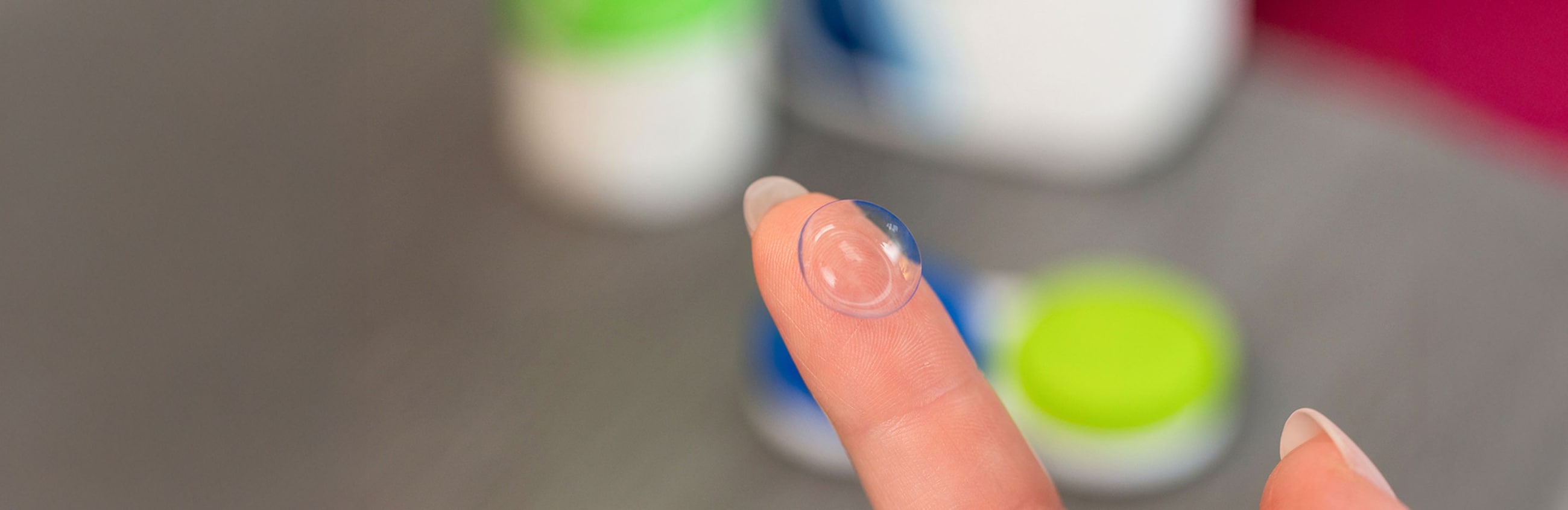
• Use your index or middle finger for safer contact lens use

Never use tap water or share your contact lens case

Avoid sleeping in lenses unless advised by your eye doctor

• Stick to your wearing schedule and attend regular check-ups


Find out why lenses expire and how out-of-date lenses can impact your corneal health.


Sleeping in lenses? Learn the risks, including dry eyes and keratitis.

Spotting and treating common conditions

Wearing lenses can sometimes trigger eye conditions, especially without proper care. If you notice discomfort, blurry vision or redness, remove contact lenses and seek medical advice from your eye doctor.


Chalazion: signs and solutions

Eye infections like keratitis: what to look out for and how to stay safe


Use rewetting drops or eye drops for relief from dry eyes, but always consult your optician or eye doctor if symptoms persist.

Lifestyle tips for lens wearers

From sports to skiing, contact lenses fit into every part of your routine. Just be mindful of your lens care habits.


Contact lenses and sport: clearer vision during activity

Skiing with lenses: UV protection and comfort

Swimming and contact lenses: why you should never wear lenses in the pool or hot tub

Choosing the right lenses and contact lens solutions

Need support with lens care and cleaning?


Multipurpose vs hydrogen peroxide solutions: which one is right for you?

Different types of lens solutions explained: a must-read for every lens wearer

Busted: contact lens myths

Wearing contact lenses can raise a lot of questions, especially if you're just getting started. Unfortunately, there’s plenty of misinformation out there. Have you heard that a lens can get lost behind your eye? Or that contact lenses can melt from heat? These are just a couple of the common myths that make contact lens wear seem more complicated than it is.


Here’s the truth. Your eye has a protective membrane that stops anything from getting stuck behind it, including your lenses. And lenses don’t melt, no matter how hot your surroundings are. But there are real risks if you don’t follow proper lens care, like a higher chance of eye infections or corneal irritation.


Knowing what’s fact and what’s fiction helps you take better care of your eyes. If you’re ever unsure, your eye doctor is the best person to ask. Explore our full myth-busting guide for more clarity and confidence in your lens routine.

Frequently asked questions

This depends on the lens type and your eye doctor’s recommendation. Daily wear lenses are usually worn for 8 to 16 hours, while extended wear lenses can be worn overnight in specific cases. Always follow the schedule set by your optometrist.

Yes, but you may need specialist lenses or to use lubricating eye drops. Daily disposable soft contact lenses are often a good choice for dry eye sufferers.

This depends on the type of contact lenses you wear and your eye health needs. Multipurpose solutions are convenient for most soft lenses, while hydrogen peroxide-based solutions offer deep cleaning. Speak to your eye care professional to find the best match.

Stick to proper lens care, avoid using tap water, never sleep in lenses unless advised, and always wash your hands before handling lenses. Regular check-ups with your optician are also key.

No. Water increases the risk of serious eye infections like Acanthamoeba keratitis. Always remove contact lenses before entering a pool, shower, or hot tub.

Remember to visit our Eye Care Centre for more guidance and discover our latest blog posts for lifestyle tips and advice.

WE ACCEPT